Is Sucralose Bad for You? What the Research Actually Says
Is sucralose bad for you? For most adults, sucralose in normal amounts is not considered harmful. The FDA sets an acceptable daily intake of 5 mg per kg of body weight. That's about 23 Splenda packets a day for a 60 kg adult.
Open questions remain on gut bacteria, heating and long-term use, and the WHO advises against relying on sweeteners for weight control.
"Is it safe?" and "is it a good habit?" are two different questions. This guide answers both, with the numbers.
What Sucralose Is, and What Is Actually in a Splenda Packet
Sucralose is made from table sugar. Three small parts of the sugar molecule are swapped for chlorine atoms. The result is about 600 times sweeter than sugar, according to the FDA.
Your body doesn't use most of it for energy. Most of it passes straight through. So it adds next to no calories and no grams of sugar.
Pure sucralose vs the yellow packet
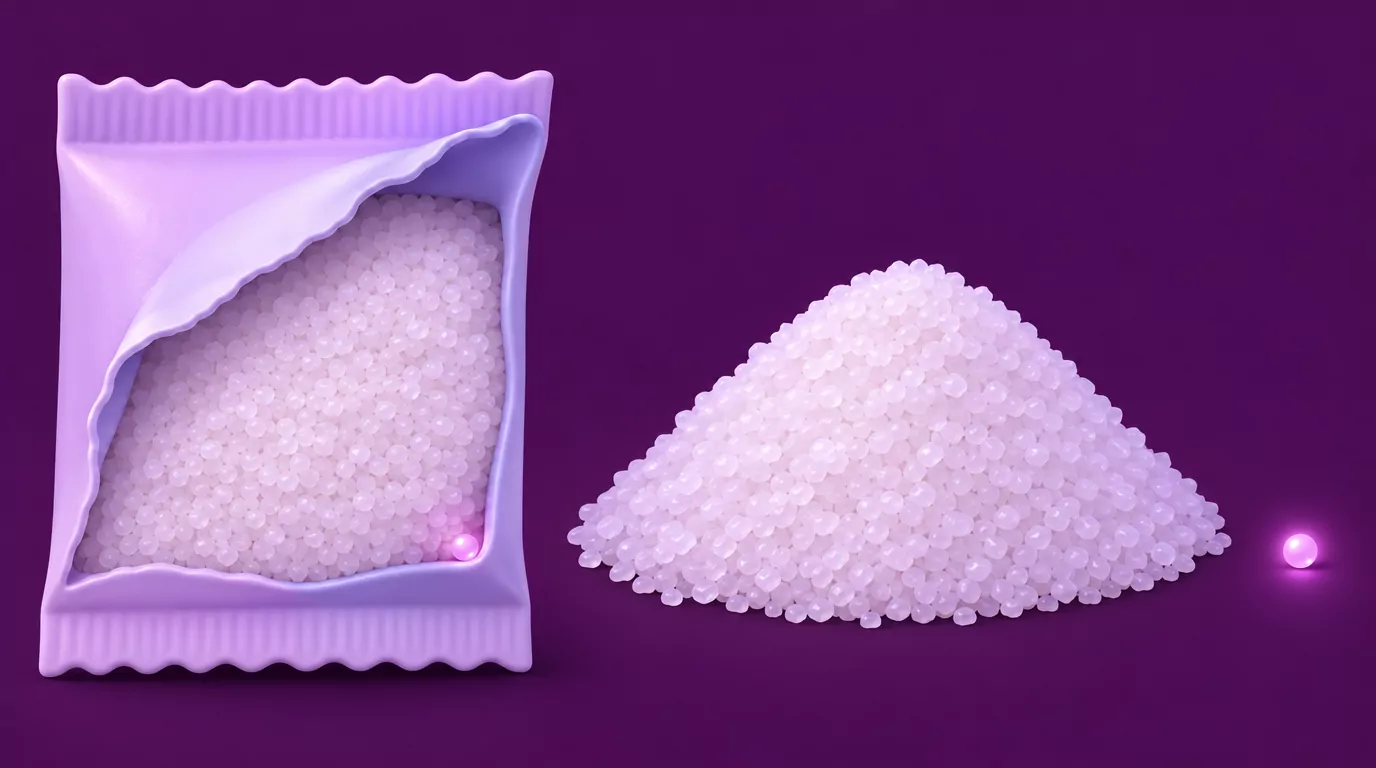
A tabletop packet holds about 1 gram of powder. Almost all of that is filler, not sucralose. The filler is usually dextrose and maltodextrin, which bulk up a tiny dose of sweetener so you can pour it.
A packet has a few calories, but fewer than 5. US label rules let anything under 5 kcal per serving show as zero. That's why the box says "zero calories" even though the filler is a type of carbohydrate.
Where sucralose shows up
You'll find it in diet and "zero sugar" sodas, flavored waters, protein powders and bars, and many "no sugar added" yogurts and desserts. Check the ingredient list, not just the front of the pack. Some of these products still contain real sugar next to the sucralose, and the Hidden Sugar Finder helps you spot it by name.
What Regulators Say About Sucralose Safety
The FDA approved sucralose as a general-purpose sweetener in 1999. Before that, it reviewed more than 110 studies, covering cancer, the nervous system, reproduction and metabolism. Its acceptable daily intake (ADI) is 5 mg per kg of body weight per day.
An ADI is set with a large safety margin. It's the amount regulators think a person can eat every day for life without harm.
In the EU, the ADI is higher, at 15 mg per kg. You can follow the EU's ongoing sweetener reviews on the EFSA sweeteners page.
Turning the daily limit into real drinks and packets
Most cans don't print how much sucralose they hold, and the amount varies by brand. So packets are the honest unit.
The FDA says a 60 kg adult would need about 23 packets a day to reach the ADI. Here is that math scaled to other body weights.
| Body weight | Daily limit (ADI) | About this many packets |
|---|---|---|
| 60 kg (132 lb) | 300 mg | 23 |
| 70 kg (154 lb) | 350 mg | 27 |
| 90 kg (198 lb) | 450 mg | 35 |
Most people use a few packets or a can or two a day. That sits well below these numbers.

What the WHO 2023 guideline actually says
In 2023 the WHO advised against using non-sugar sweeteners, sucralose included, to control body weight or lower disease risk. It found no long-term benefit for weight. It's conditional advice, based mostly on studies that watch people rather than test them.
It is not a safety ruling. The WHO did not say sucralose is unsafe, and the advice does not apply to people who already have diabetes.
What about cancer?
The National Cancer Institute says there is no clear evidence that artificial sweeteners sold in the US, sucralose included, are linked to cancer in humans.
Sucralose Side Effects and the Open Research Questions
Safe within the limit doesn't mean every question is closed. Here is what was studied, and in whom.
Stomach upset, often from the filler or the food around it
Some people report bloating or loose stools after large amounts of sweetened foods. The NHS notes that sweeteners are safe for most people but can upset some stomachs. Often the cause is the sugar alcohols in the same product, not the sucralose.
The gut bacteria question is open
Some studies suggest sucralose may change gut bacteria. Most were in animals or were short human trials, and the results are mixed. A recent review found no settled answer either way.
Blood sugar and insulin
In short tests, sucralose does not raise blood sugar the way sugar does. Some studies raise questions about insulin over time, including a long-term study in mice. Results in people are mixed.
If you have diabetes, follow your clinician's advice on sweeteners.
Heating and baking
The FDA calls sucralose heat stable, and it is sold for baking. Some lab work finds it can break down at very high heat, and what that means for people is still an open question. If it worries you, use it in cold drinks and coffee rather than high-heat baking.
Sucralose-6-acetate
A 2023 lab study by Schiffman and colleagues, in the Journal of Toxicology and Environmental Health, looked at sucralose-6-acetate. That's a trace compound from making sucralose that can also form in the gut.
In human cells in a dish, it showed signs of DNA damage. It was not a study in people, and regulators have not changed their limits.
Appetite and cravings
A 2021 trial in JAMA Network Open by Yunker and colleagues tested 74 adults with brain scans. Drinks sweetened with sucralose raised activity in brain areas tied to food cravings more than sugar drinks did. The effect was mostly in women and people with obesity.
It was a single visit, so it doesn't show long-term effects on eating. If cravings are your main battle, these tips to stop craving sugar may help more than any sweetener swap.
Sucralose vs Sugar vs Other Sweeteners
| Sweetener | Sweetness vs sugar | Calories per gram | Counts as added sugar? | FDA daily limit | Best use |
|---|---|---|---|---|---|
| Table sugar | 1x | 4 | Yes | No ADI; WHO limits free sugars | Everything, in small amounts |
| Sucralose | About 600x | Close to 0 | No | 5 mg per kg | Cold drinks, coffee |
| Stevia (purified) | 200 to 400x | 0 | No | 4 mg per kg | Drinks, light baking |
| Allulose | About 0.7x | About 0.4 | No | None set | Baking, sauces |
| Sugar alcohols | About 0.25x to 1x | About 0.2 to 3 | No | None set | Gum, mints, blends |
Sucralose vs stevia
Stevia comes from a plant, while sucralose is made from sugar. Both add no sugar and both are cleared by the FDA. For the full picture on the plant-based option, read is stevia bad for you.
Sucralose vs aspartame
Both are FDA-approved with set limits: 5 mg per kg for sucralose and 50 mg per kg for aspartame. In 2023, a WHO cancer agency (IARC) labeled aspartame "possibly carcinogenic." At the same time, the WHO and FAO expert committee (JECFA) kept its daily limit unchanged.
Is Sucralose a Good Swap When You Are Cutting Sugar?
It depends on whether you treat it as a bridge or a destination.
As a bridge, it works
A 330 ml cola has about 35 g of sugar. That's 8.3 teaspoons at 4.2 g per teaspoon. A sucralose version has 0 g of added sugar.
Two cans a day is 70 g. That's already over the WHO ceiling of 50 g a day for a 2,000 kcal diet. See how much sugar is in a can of Coke for brand numbers, and how much sugar per day is a sensible target.
Check your own drinks with the Sugar in Drinks Calculator; it runs in your browser, no signup. The Quit Soda Savings Calculator shows the sugar and money you'd save over a year.
As a destination, it's less useful
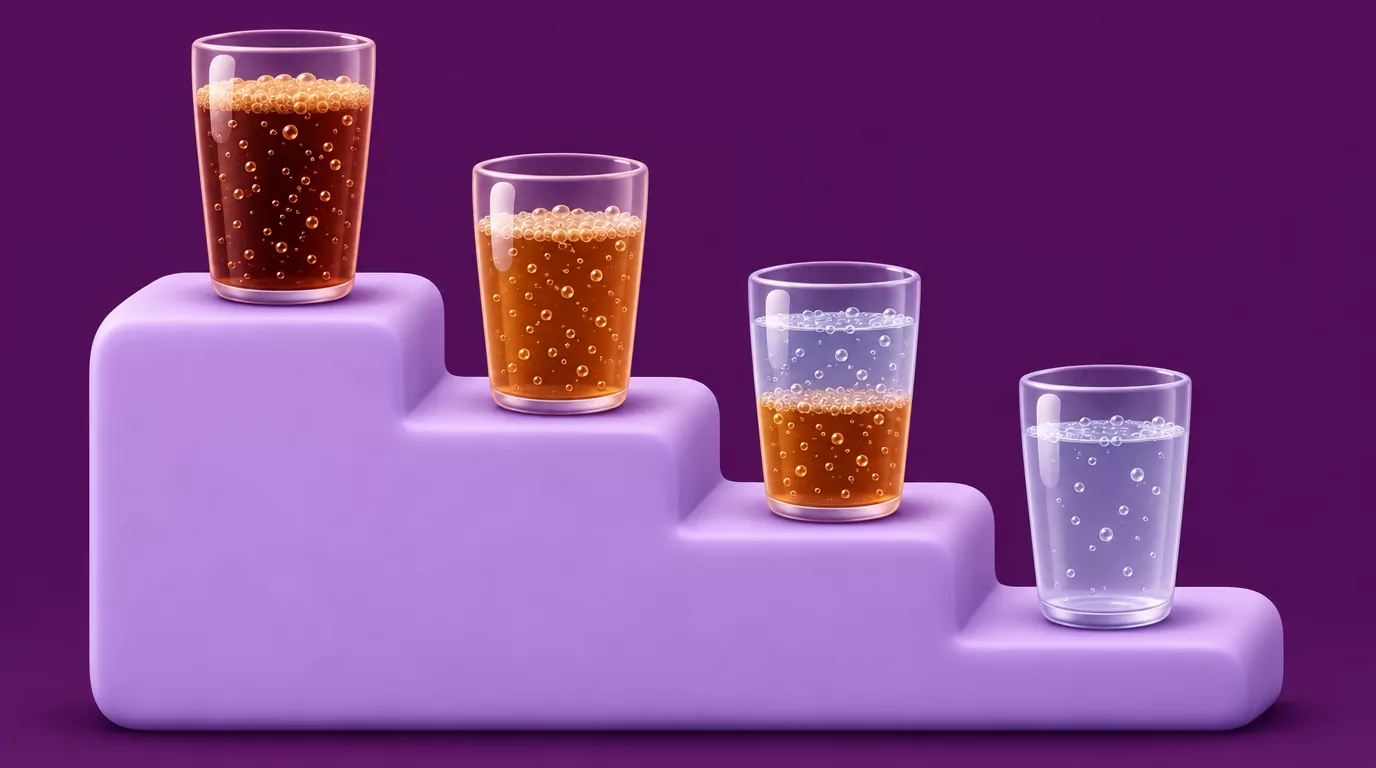
The WHO's point is simple. Sweeteners don't teach your taste buds to want less sweetness. A slow step down does. Here's a plan many people find easy, one step every week or two:
- Swap regular soda for a diet version.
- Mix half diet soda with half sparkling water.
- Move to sparkling water with a splash of juice or fruit.
- Settle on plain sparkling water or unsweetened tea.
For more ideas, see how to stop drinking soda or try the Sugar Swap Finder; it runs in your browser, no signup.
Keep one thing in mind. Sucralose adds no grams of added sugar, but foods that contain it often still carry sugar. Your daily total is the number to watch, and logging what you eat makes it visible.
Who should be more careful
If you have a medical condition or are pregnant, follow your clinician's advice on sweeteners. For children, the AHA advises less than 25 g of added sugar a day for ages 2 to 18 and none for children under 2.
The Bottom Line: Is Sucralose Bad for You?
Within the daily limit, regulators consider sucralose safe. The open questions are real, but the evidence is early and mixed.
It works best as a step down from sugar, not a forever habit. What matters most is your total added sugar for the day.
Frequently Asked Questions
Is sucralose safe to use daily?
For most adults, yes, within the FDA limit of 5 mg per kg of body weight. That's about 23 packets a day at 60 kg, far above normal use. Daily use is fine by that measure, though the WHO doesn't advise relying on sweeteners for weight control.
Is Splenda bad for you?
Splenda is sucralose plus filler, mainly dextrose and maltodextrin. The sucralose is within safe limits at normal use. The filler adds a few calories per packet but fewer than 5, which is why the label can say zero.
Is sucralose worse than sugar?
Not by the numbers we know. Sugar adds 4 kcal per gram and counts toward your added-sugar limit, while sucralose adds neither. The open questions on sucralose are still early, while the case for limiting added sugar is well set by the WHO and AHA.
Does sucralose spike insulin?
In short tests, sucralose doesn't raise blood sugar the way sugar does. A few studies raise questions about insulin over time, but results in people are mixed. If you have diabetes, follow your clinician.
Can sucralose cause headaches?
Some people report headaches after artificial sweeteners. The evidence is limited and mostly self-reported. If you get frequent headaches, talk to your clinician and try cutting the drink for a while to see if it changes.
See Your Real Sugar Total
Swapping to sucralose cuts the sugar in one drink. Seeing the whole day is what helps the change stick.
Sugar Tracker: Food Scanner is free to download on the App Store for iPhone (iOS 15.1 or later). Snap a photo, review the AI estimate with its range and confidence, adjust or confirm it, and see your daily total.