Total Sugars vs Added Sugars: How to Read Both Lines on Any Label
Which sugar line to act on: what Total Sugars counts, what the indented Added Sugars line adds, the %DV arithmetic, three worked labels, and how to handle UK and EU packs.
Evidence-based guides, tools, and stories to help you see and cut your added sugar in seconds a day, grounded in WHO and AHA guidelines.

Independent studies put photo calorie estimates anywhere from near zero to about 38 percent off. Here is where the error enters, and the added sugar no camera can see.
Read article →
Which sugar line to act on: what Total Sugars counts, what the indented Added Sugars line adds, the %DV arithmetic, three worked labels, and how to handle UK and EU packs.

Habit stacking attaches a new habit to one you already do. Here is the formula, the anchor test, the five steps, what the research actually shows, and 18 stacks built for cutting back on added sugar.

A practical guide to keeping a food journal: the one-line version, the detailed version, three formats, six steps, and a ten-minute weekly review.
USDA grams for honey, maple syrup, agave and table sugar per tablespoon, what each costs against the WHO and AHA limits, and the honest sweetness break-even.

High fructose corn syrup is 42 or 55 percent fructose against table sugar's 50 percent. What the FDA and the trials actually found, which foods carry it, how to spot it on a US label, and what it is called in the UK and EU.

Brown, raw, turbinado, cane, muscovado and coconut sugar compared per teaspoon and per 100 g, with USDA figures, FDA Daily Values and the AHA and WHO limits.

Chocolate milk keeps milk's protein, calcium and vitamin D, and adds about 11 g of added sugar per 8 fl oz. Verified brand labels, the USDA school cap, and lower-sugar options.

A plain guide to allulose: what the FDA's 2020 labelling guidance actually says, a worked Nutrition Facts example against table sugar, what the small human studies report, and a three step check for any pack that reads 0 g added sugar.

What sugar alcohols are, the seven polyols on labels with calories and sweetness, how US and EU labels list them, and why they aren't added sugar.
A ranked look at added sugar in US breakfast cereals, measured per real bowl rather than per label serving, with a kid versus adult comparison and a 10 second shelf test.
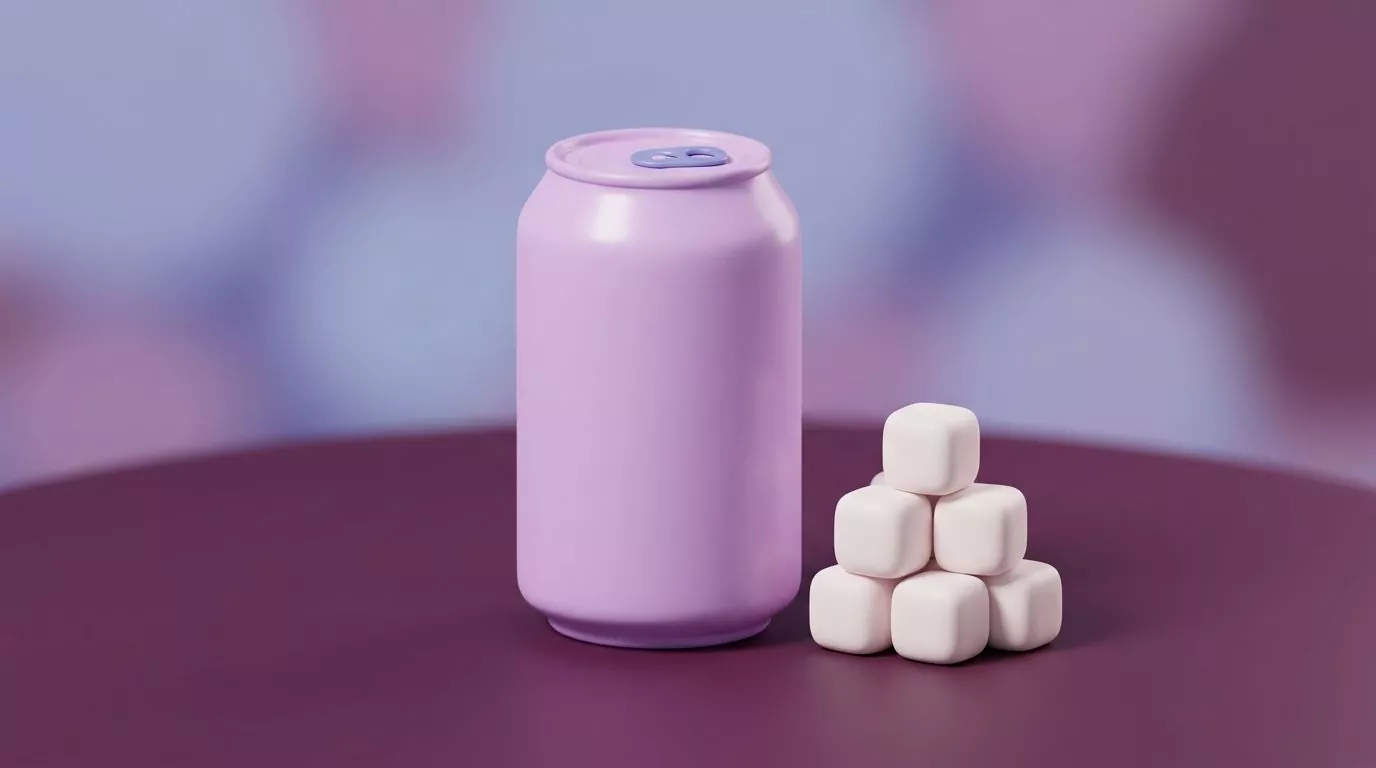
A 12 oz can of Coca-Cola holds 39 g of sugar, about 9.3 teaspoons or 10 cubes. See every can and bottle size, how it measures against WHO and AHA limits, and swaps that cut it down.