What Is Dextrose? Why This Sugar Hides in Savory Foods
What is dextrose? Dextrose is glucose, a simple sugar usually made from corn starch. US rules even call it "corn sugar." It has 4 calories per gram, just like table sugar, and on a US Nutrition Facts label it counts as added sugar. Food makers use it in cured meats, bread, crackers, sauces and sports products for browning, fermentation and quick energy.
What Is Dextrose, Exactly?
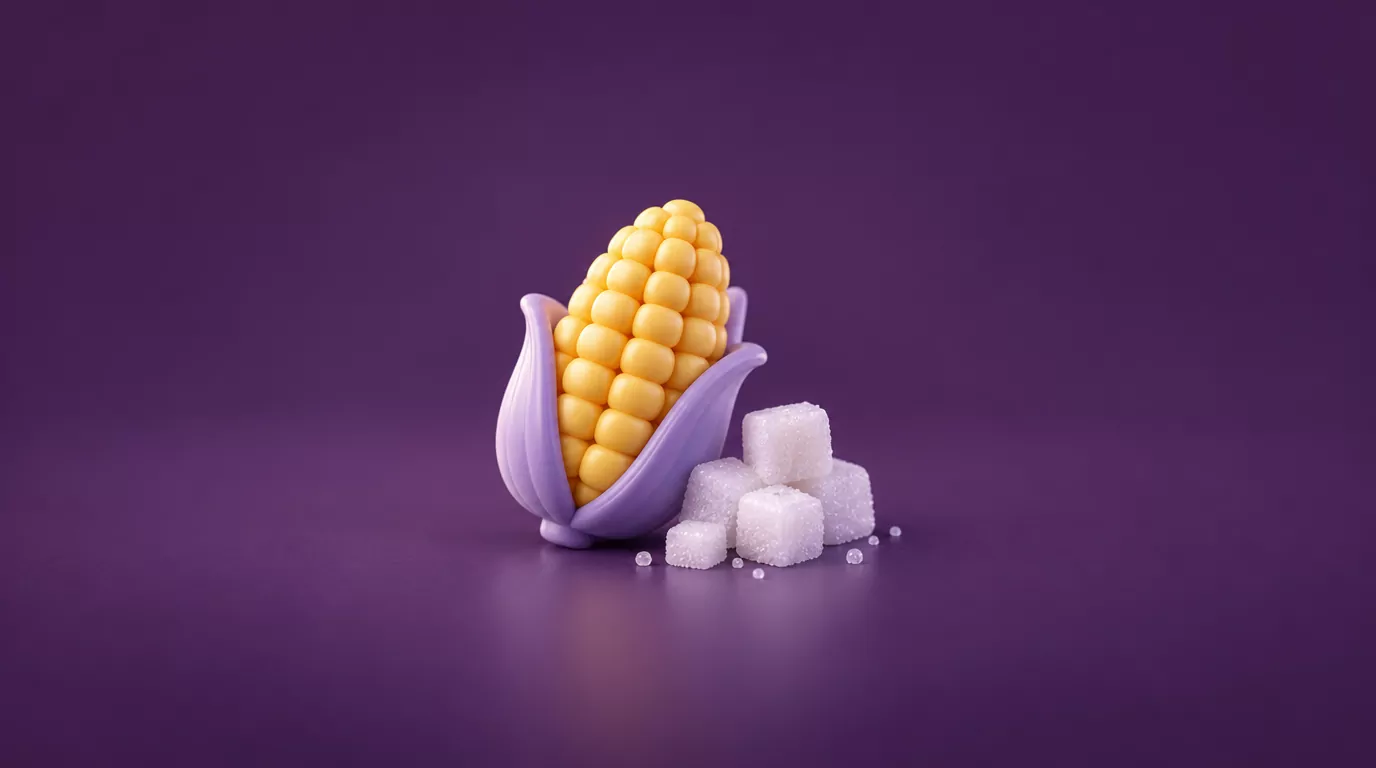
Dextrose is the food-ingredient name for D-glucose. It's the same molecule as the glucose in your blood. The FDA's rule for it, 21 CFR 184.1857, lists it as corn sugar, "commonly called D-glucose or dextrose."
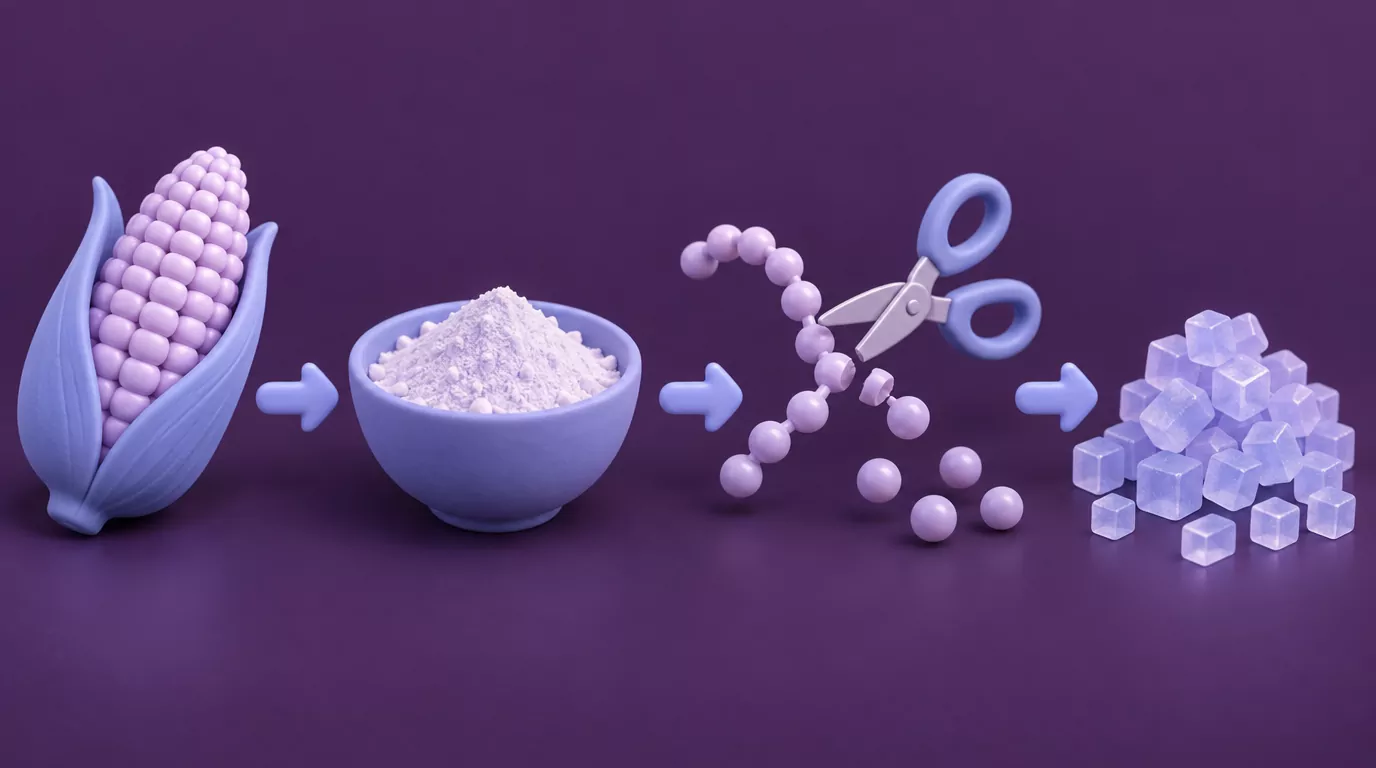
To make it, factories break corn starch all the way down with acids or enzymes. Then they clean up the liquid and dry it into crystals. Starch is just long chains of glucose, so snipping those chains apart leaves plain glucose. Outside the US, the same thing is often made from wheat, rice or potato starch.
You'll see two forms on labels and tubs. Dextrose monohydrate holds one water molecule and is the common white powder. Anhydrous dextrose has the water removed. For your sugar count, they work the same.
Is Dextrose the Same as Glucose?
Yes. Dextrose and glucose are the same sugar. "Dextrose" is the name used for the factory-made ingredient, while "glucose" is the name used in biology. One molecule, two names.
Is Dextrose Sugar? Yes, and It Counts as Added Sugar
Yes, dextrose is sugar. And on a US label, it's added sugar. The FDA's Added Sugars guidance defines added sugars as sugars added during processing, "such as sucrose or dextrose." That means any dextrose in the ingredient list lands on the Added Sugars line, not just the Total Sugars line.
If those two lines confuse you, our guide to total sugars vs added sugars walks through the label. For the bigger picture of what counts, see what added sugar is and where it comes from.
Here's a quick mini calculation. Say a serving has 4 g of added sugar from dextrose:
- 4 g divided by 4.2 g per teaspoon is about 1 teaspoon of sugar.
- 4 g times 4 calories per gram is 16 calories (the same math as calories in a gram of sugar for any sugar).
- Against the WHO ideal of under 25 g of free sugars a day, that one serving uses about a sixth of the day.
The WHO sets a ceiling of 10% of calories (about 50 g at 2,000 kcal) and an ideal of under 5% (about 25 g). The AHA suggests no more than 25 g a day for women and 36 g for men. Our post on how much sugar per day explains both. To turn other gram counts into teaspoons, use the Sugar Grams to Teaspoons Converter.
What Is Dextrose in Food? Why It Hides in Savory Products
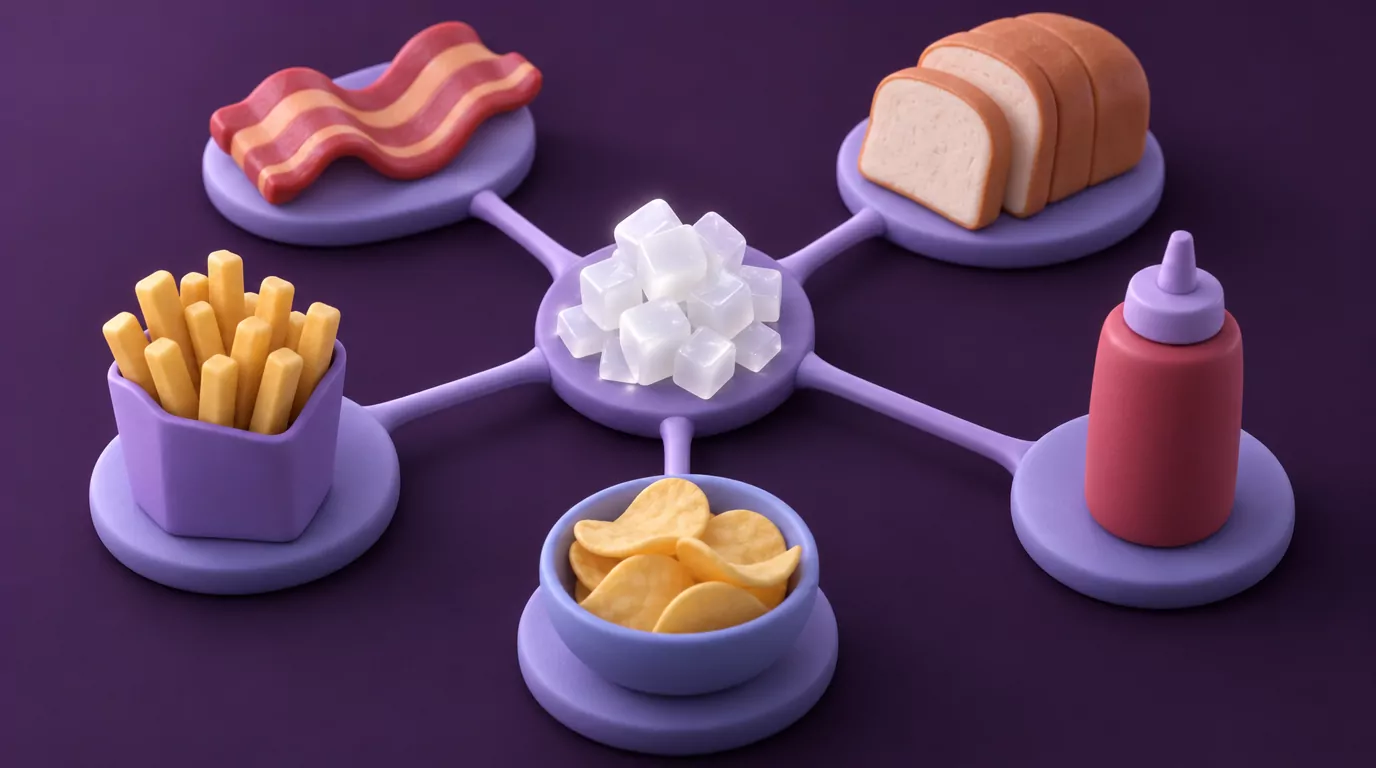
So what is dextrose in food doing, if the food doesn't taste sweet? It feeds yeast and good bacteria, helps food brown, and softens harsh salt or sour notes.
- Cured and processed meats. Bacon, ham, hot dogs, salami and jerky often list dextrose. In fermented sausages like salami, it feeds the starter cultures that give the tangy flavor. In bacon and ham, it softens the salt in the cure and helps the meat brown in the pan.
- Bread, buns and crackers. Yeast eats sugar to make the gas that lifts dough. Dextrose is an easy food for yeast, and what's left helps the crust turn golden. It's one more reason packaged grain foods carry added sugar, as our look at sugar in breakfast cereal shows.
- Sauces, dressings, soups and spice rubs. A little dextrose balances vinegar and salt. In dry seasoning blends and soup mixes, it also adds bulk so the spices spread evenly.
- Chips and flavored snacks. Seasoning powders often use dextrose as a carrier. It helps the flavor dust stick and spread across each chip.
- Frozen fries and fried coatings. Some frozen and fast-food fries get a dextrose dip so they brown evenly when cooked.
In savory foods, the amount is often small, a gram or two per serving. But it adds up across a day of deli meat, bread, sauce and chips. And small or not, it's still added sugar. The exact grams vary by product, so check the label or look up the food in USDA FoodData Central.
One label name to tell apart: "cultured dextrose" is dextrose that has been fermented. It's used to keep food fresh, so it's a different ingredient from plain dextrose.
Where Else You'll See It: Candy, Sports Drinks and Gels
In sweet products, dextrose is often a main ingredient. Candy tablets, sour powders, sports drinks, energy gels and some protein or recovery powders use it. Here it's usually one of the first ingredients, and it supplies most of the sugar grams on the label.
Dextrose vs Table Sugar vs High Fructose Corn Syrup
| Dextrose | Table sugar (sucrose) | High fructose corn syrup | |
|---|---|---|---|
| Made of | 100% glucose | Glucose and fructose bonded as a pair, 50/50 | Glucose plus free fructose (42% or 55% fructose) |
| Usual source | Corn starch (also wheat, rice, potato) | Sugar cane or sugar beet | Corn starch |
| Sweetness | Less sweet than table sugar | The standard | Similar to table sugar |
| Calories per gram | 4 | 4 | 4 |
| On a US label | Added sugar | Added sugar | Added sugar |
| Effect on blood glucose | Fast; glucose is the reference food for the glycemic index (GI 100 by definition) | Slower than pure glucose, since half is fructose | Slower than pure glucose, since part is fructose |
Gram for gram, all three count the same toward your added-sugar day. The real differences are taste and how fast your blood glucose rises. For more on the corn-based syrup, read our guide to high fructose corn syrup. For how cane sugars compare, see brown sugar vs white sugar.
Dextrose vs Sucrose: Why Manufacturers Pick One Over the Other
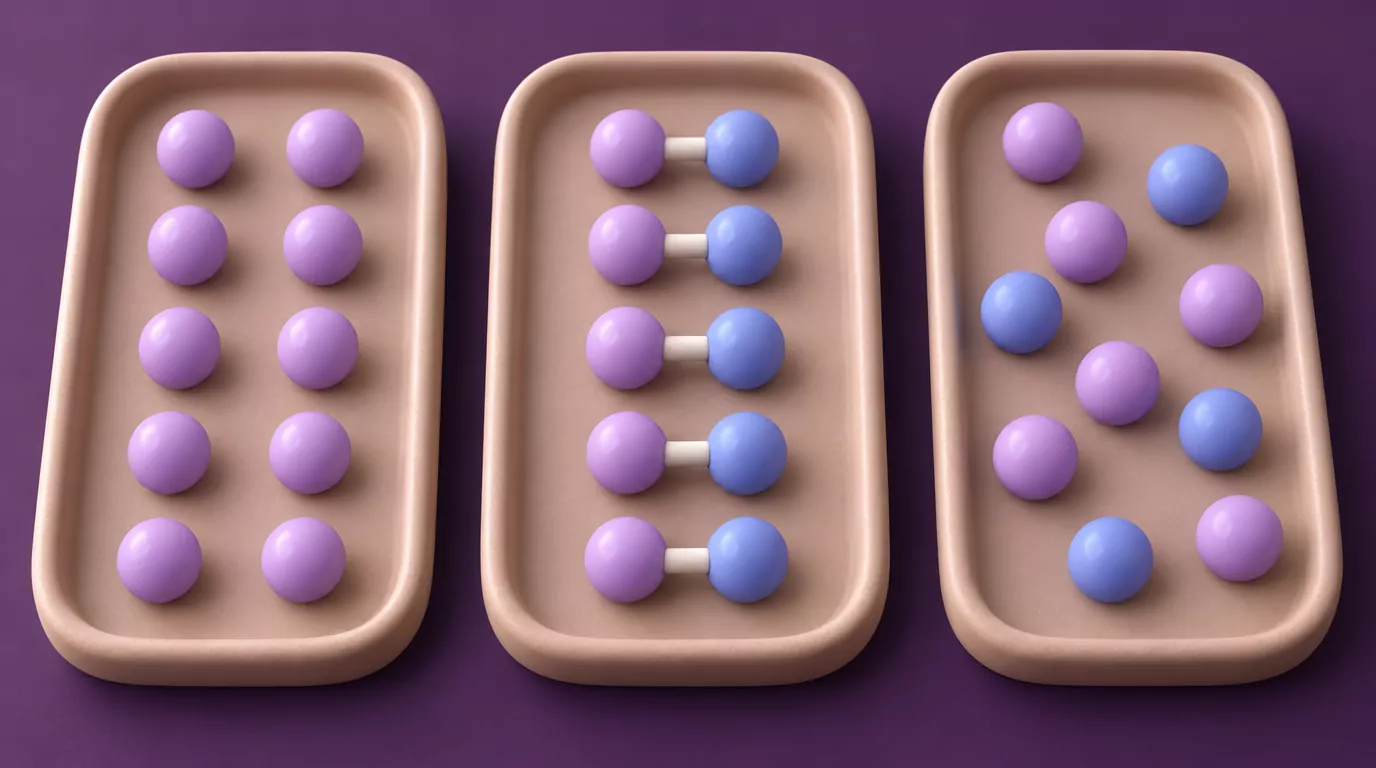
Dextrose is cheap to make from corn. It's also less sweet, so a maker can add it for browning or texture without the food tasting sweet. And yeast and bacteria ferment it easily. Those three traits are exactly why it lands in bacon, bread and spice rubs.
Is Dextrose Bad for You?
Dextrose isn't worse than other added sugars, and it isn't toxic. The issue is the same as with any added sugar: the total amount you eat in a day. A gram of dextrose counts the same as a gram of table sugar toward the WHO and AHA limits.
It does raise blood glucose quickly. Glucose is the reference food for the glycemic index, set at GI 100 by definition. That fast rise is why it's used to treat low blood sugar. In hospitals, dextrose is also given through an IV, which is a medicine and a separate topic from food labels (the Cleveland Clinic covers that use).
If you have diabetes or prediabetes, follow your clinician's advice on any sugar, dextrose included. If you have a corn allergy, ask your clinician or allergist about dextrose.
Why Do Athletes Use Dextrose?
Athletes use dextrose as a fast-absorbing carbohydrate during long or hard sessions. That context is very different from dextrose in a deli meat on a regular workday.
How to Spot Dextrose on an Ingredient List

- Check where it sits. Ingredients are listed by weight, from most to least. Dextrose near the top means a big share. In savory foods, it's usually near the end.
- Know its other names. Look for dextrose, dextrose monohydrate, anhydrous dextrose, corn sugar and glucose. Glucose syrup and corn syrup are close cousins, since they're mostly glucose too. Maltodextrin is a different ingredient.
- Read the Added Sugars line. That's where the grams show up. Dextrose is counted there along with every other added sugar.
Not every sweet ingredient is glucose. Allulose and sugar alcohols are labeled differently, and neither is counted on the Added Sugars line.
To speed this up, paste an ingredient list into the Hidden Sugar Finder. It highlights 90 names sugar hides behind, dextrose included. It runs in your browser, no signup. If you have the sugars number from a label, type it into the Food Label Sugar Decoder to get a traffic-light rating plus per-serving grams and teaspoons.
Counting Dextrose in Your Daily Total
Savory sources are easy to miss because nothing tastes sweet. A bacon breakfast, a deli sandwich and a bag of chips can each add a gram or two. That's how hidden grams pile up across a day without one dessert. To find your own limit, try the Daily Sugar Intake Calculator.
If you'd rather not add it up by hand, Sugar Tracker: Food Scanner is free to download on the App Store for iPhone (iOS 15.1 or later). Snap a photo of your meal, review the AI estimate of added sugar with its range and confidence, then adjust or confirm it to see your daily total. For packaged food, you can add a photo of the nutrition label, or type the grams from the Added Sugars line. Your log stays on your iPhone. There is no Android version yet, so Android readers can use the browser tools above.
Frequently Asked Questions
Is dextrose safe to eat?
Yes. Dextrose is an approved food ingredient that the FDA lists as generally recognized as safe under 21 CFR 184.1857. Treat it like any other added sugar and keep an eye on the total.
Why avoid dextrose?
There's no special reason to fear it. It's an added sugar that raises blood glucose quickly, and it's often made from corn. If you're cutting back on added sugar, dextrose counts the same as any other.
What is dextrose made from?
In the US, it's most often made from corn starch. It can also be made from wheat, rice or potato starch.
Is dextrose the same as corn syrup?
No. Corn syrup is a syrup of glucose plus longer glucose chains. Dextrose is purified, crystal glucose. Both are added sugars on a US label.
Is dextrose natural or artificial?
It comes from plant starch, usually corn, but it's refined in a factory. Either way, it's an added sugar. Where it came from doesn't change how it counts toward your day.