Sugar Crash: Why You Feel Tired After Sweets and How to Soften It
A sugar crash is the tired, foggy and hungry feeling that can follow a sugary drink or snack, especially on an empty stomach. It's an everyday description, not a diagnosis. A 2019 meta-analysis of 31 studies found that carbohydrates, sugar included, didn't lift mood at any point, and people felt more tired and less alert within the first hour.
So the slump is real for many people, but the "sugar high" before it mostly isn't. Here's why it happens and six simple ways to soften the next one.
What Is a Sugar Crash?
A sugar crash is a dip in energy, focus and mood after a fast hit of sugar or refined carbs, often eaten on its own. "Sugar crash" is a popular term, not a medical diagnosis. For most healthy people it doesn't mean blood sugar has fallen to a clinically low level.
Here's a typical scene. At 3 pm you drink a 330 ml can of cola with nothing else. That's about 35 g of sugar, or about 8 teaspoons at 4.2 g per teaspoon, already over the WHO ideal of 25 g for a whole day. See the sugar in a can of Coke by size.
Nearly all of it is added sugar, the kind put in during processing rather than the sugar inside whole fruit or milk.
What Does a Sugar Crash Feel Like?
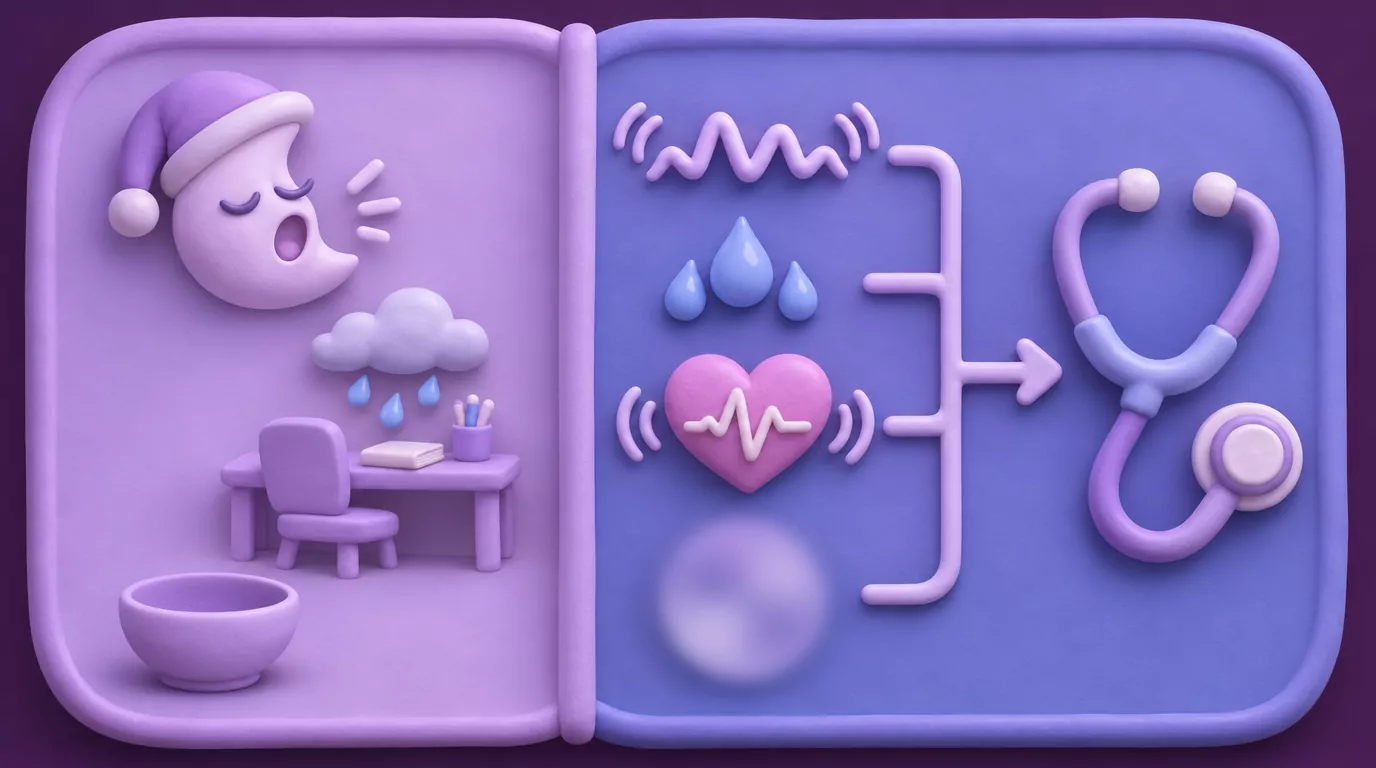
The common, everyday signs usually show up within an hour of a sweet drink or snack:
- Tiredness or a sudden urge to nap at your desk.
- Trouble focusing, or rereading the same email three times.
- Irritability or a short temper.
- Sudden hunger, or a strong pull toward more sugar.
That last one can turn a crash into a loop: the slump makes you want another sweet fix. See how to stop craving sugar for that side.
Some signs are not a normal slump. Shakiness, sweating, a racing heart, confusion or blurred vision are reasons to talk to a doctor. The NHS page on low blood sugar lists these signs and when to get help.
Why Sugar Can Leave You Tired
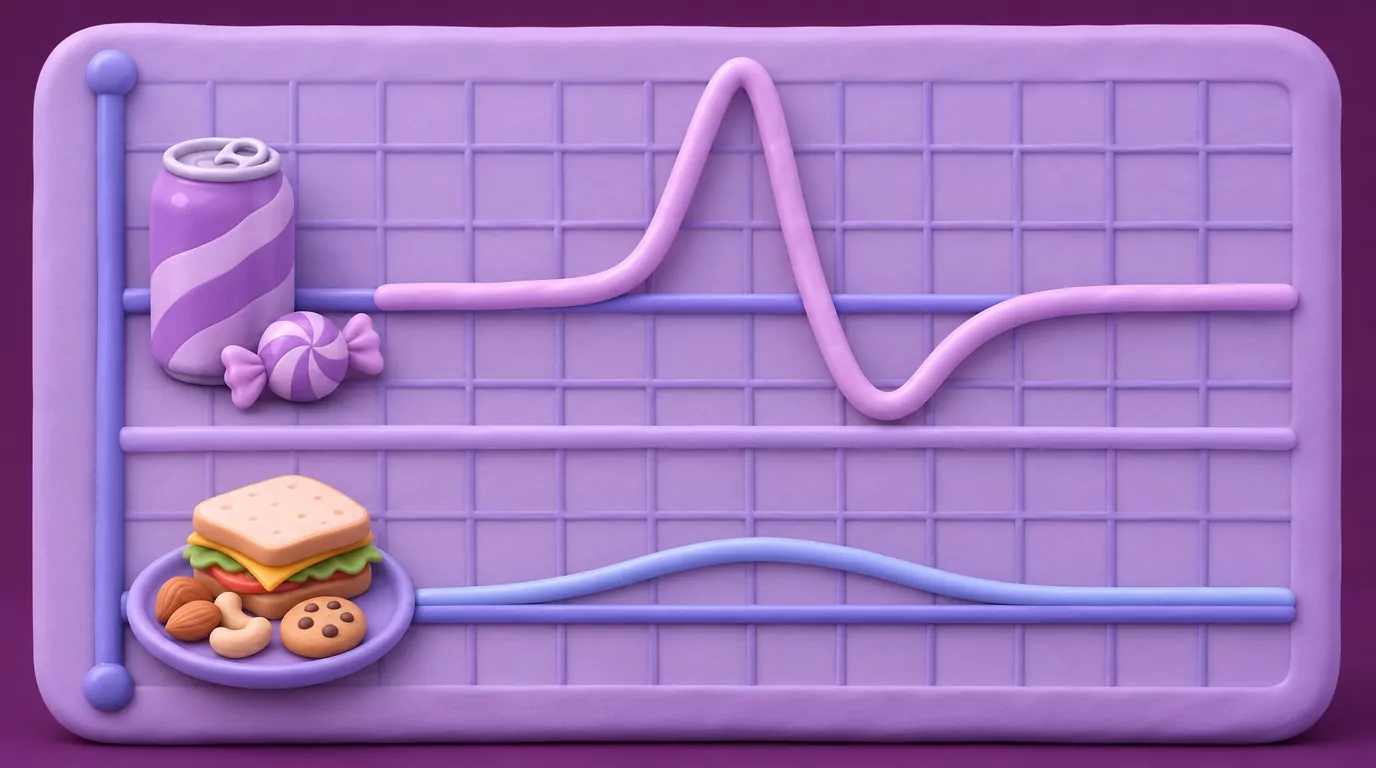
Why do you feel tired after eating sugar? On its own, sugar digests fast. Blood glucose rises quickly, and the body releases insulin to move that glucose into your cells. The quick rise and fall can feel like a dip in energy.
Fiber, protein and fat slow digestion down. That's why the same slice of cake after dinner tends to feel different from the same slice eaten alone at 4 pm. Harvard's Nutrition Source explains how carbohydrates and blood sugar interact.
Still, researchers debate how much of the slump is glucose itself and how much is short sleep, caffeine wearing off, a skipped meal or the afternoon dip. Often it's a mix.
The "Sugar High" Is Mostly a Myth
The best summary so far is a 2019 meta-analysis by Mantantzis and colleagues in Neuroscience and Biobehavioral Reviews. It pooled 31 studies with 1,259 participants and 176 effect sizes. The studies gave people carbohydrate drinks or snacks in one sitting, not pure sugar alone.
The result was clear. Carbohydrates had no positive effect on any aspect of mood at any time point. Within the first hour, people reported more fatigue and less alertness than those given a placebo. You can read the abstract on the PubMed record.
What the Research Doesn't Show
Most of these studies are short lab tests with a single drink. They can't predict how you'll feel, and one crash doesn't harm your health.
The better-supported concern is the daily pattern of added sugar. The WHO guideline on sugars intake says to keep free sugars under 10% of energy, and ideally under 5%, which is about 25 g a day. The American Heart Association suggests no more than 25 g of added sugars a day for women and 36 g for men. See how much sugar per day for the full breakdown.
Common Sugar Crash Triggers
Crashes tend to follow the same pattern: a lot of sugar, fast, with little else in the stomach.
| Trigger | Why it hits harder | A softer version |
|---|---|---|
| Soda or sweet tea on an empty stomach | Liquid sugar goes down fast, with no fiber or protein. A 330 ml cola is about 35 g. | Sparkling water, unsweetened tea, or a smaller can with food |
| Candy or a pastry instead of lunch | Sugar replaces a meal that would slow digestion | Eat lunch first, then have the sweet |
| A large dessert alone mid afternoon | Big portion, no meal, when energy already dips | A smaller portion, or save it for after dinner |
| Sweet coffee drinks | Syrups and sweetened milk can add up quickly | Fewer pumps of syrup, or a plain latte |
| Energy drinks | Sugar plus caffeine, and both can wear off at once | A sugar-free version, or water and a real snack |
Grams vary by brand and size, so check yours. The Sugar in Drinks Calculator and the Sugar in Food Checker both run in your browser, no signup.
6 Ways to Soften a Sugar Crash
You don't need to give up sweets. Here's how to stop a sugar crash before it starts by breaking the "fast, alone, empty stomach" pattern.
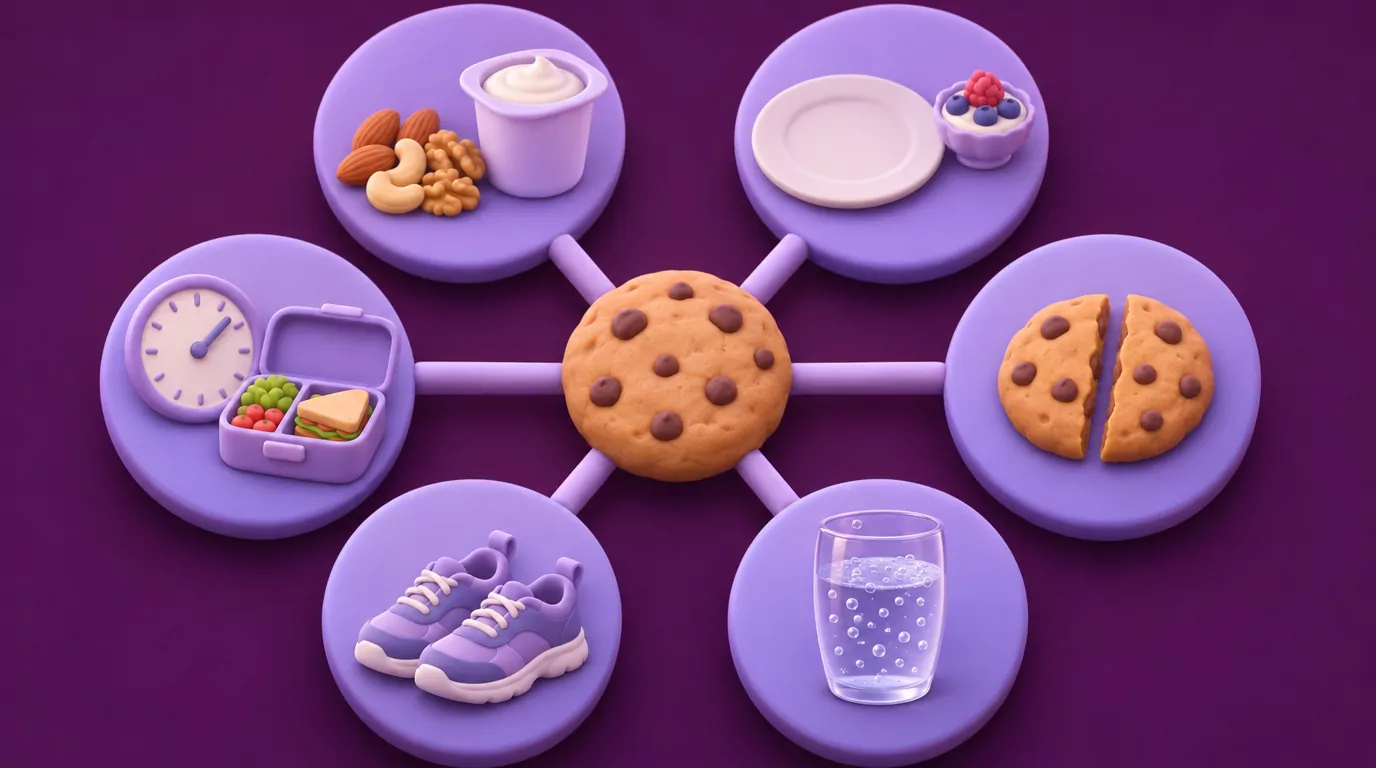
1. Pair Sweets With Protein, Fiber or Fat
Adding protein, fiber or fat slows how fast sugar is digested. Have a cookie with a handful of nuts, or berries with plain yogurt.
2. Have Dessert After a Meal, Not Instead of One
Dessert after dinner lands on a full stomach that's already digesting slower. The same dessert at 4 pm on its own is more likely to leave you foggy.
3. Go Smaller, Not Zero
Try half the slice, a fun-size bar or a small scoop instead of a sundae. You still get the treat, with less sugar at once.
4. Swap the Drink First
Drinks are the easiest place to cut a big hit of sugar. Swapping one daily soda for sparkling water removes about 35 g. The guide on how to stop drinking soda walks through it, and the Sugar Swap Finder shows lower-sugar swaps with the exact grams you save.
5. Take a 10 Minute Walk After Eating
Light movement after a meal is a common, low-risk suggestion that many people find helps them feel less sluggish. A short loop after lunch is enough; tie it to an existing habit with habit stacking.
6. Don't Skip Meals
Regular meals make it less likely that a sweet snack lands on an empty stomach. When you skip lunch, that 3 pm candy bar is doing all the work, and the slump hits harder.
What to Do When You're Already Crashing
If the slump has already hit, keep it simple:
- Drink a glass of water.
- Eat a small balanced snack with protein and fiber, like cheese and crackers or an apple with peanut butter, rather than more sugar.
- Step outside or walk for a few minutes.
- Plan your next proper meal.
If you have diabetes or have been told you have low blood sugar, follow your clinician's plan instead of this advice.
When a Crash Might Be Something Else
Frequent or severe slumps, or any of the warning signs above, are a reason to see a doctor. They can check for a condition called reactive hypoglycemia, which is low blood sugar a few hours after eating. Only a clinician can diagnose it, so don't try to test or treat yourself.
A crash also isn't the same as sugar withdrawal, the cravings some people report after cutting back, covered in sugar withdrawal symptoms.
Spot Your Own Crash Pattern
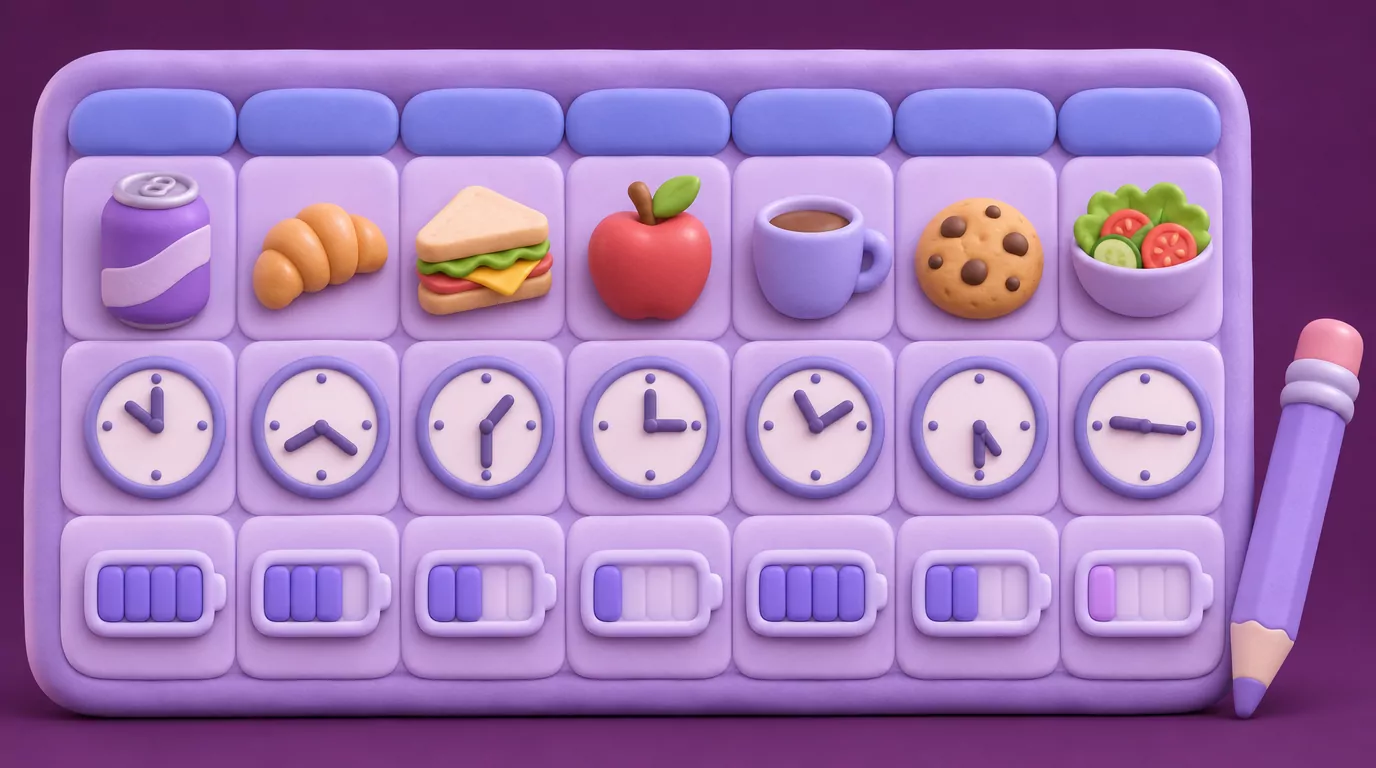
The simplest way to find your triggers is to log one week: what you ate, when, and how you felt an hour later. Patterns show up fast.
The Printable Sugar Tracker Log has customisable columns, so add one for "energy" next to each entry. It runs in your browser, no signup. See the food journal guide for tips.
To skip counting grams by hand, Sugar Tracker: Food Scanner shows what those snacks add up to. Snap a photo, review the AI estimate of added sugar with its range and confidence, adjust or confirm it, and see your daily total. Manual entry works too, and your log stays on your iPhone.
To find a personal added-sugar number, try the Daily Sugar Intake Calculator.
Frequently Asked Questions
How long does a sugar crash last?
There's no fixed timeline. In lab studies the tiredness showed up within the first hour, and most slumps ease after a balanced meal or snack. If it often lasts longer or feels severe, talk to a doctor.
Does sugar make you tired?
It can. In the 2019 meta-analysis, people given carbohydrate drinks and snacks reported more fatigue and less alertness than those given a placebo within the first hour, not more energy.
Is a sugar crash the same as low blood sugar?
Usually not. For most healthy people, blood sugar stays in a normal range during a slump. True low blood sugar has stronger signs, like shakiness, sweating or confusion, and needs a doctor.
Is a sugar high real?
For adults, the research says no when it comes to mood and energy. The 2019 meta-analysis of carbohydrate drinks and snacks found no mood lift at any time point compared with a placebo. Our look at whether sugar makes kids hyper covers the research on children.
Can fruit cause a sugar crash?
Whole fruit comes with fiber and water, so it lands differently from juice or candy. The Fruit Sugar Chart shows the sugar in 50+ fruits per serving.
Want to see which snacks set off your slumps? Sugar Tracker: Food Scanner is free to download on the App Store for iPhone (iOS 15.1 or later). Download Sugar Tracker on the App Store. There is no Android version yet, but every tool above works in any browser.